Construction risk management is the systematic process of identifying, analyzing, and responding to potential threats that could derail a project’s success. In an industry where projects are complex endeavors involving numerous stakeholders, tight deadlines, and substantial financial investments, effective risk management isn’t optional; it’s essential.
Every construction project begins with a vision, but bringing that vision to life requires more than technical expertise and scheduling. From early planning through final closeout, projects are exposed to risks that can affect timelines, budgets, safety standards, and long-term outcomes. Without a structured approach to construction risk management, even well-funded projects can encounter setbacks that disrupt progress and reduce profitability.
Large-scale developments involve multiple moving parts, including contractors, suppliers, regulatory agencies, consultants, and project owners. Coordinating those elements successfully requires proactive oversight and continuous evaluation of potential threats. Budget increases, labor shortages, material delays, design conflicts, and compliance issues can emerge at any stage of the construction lifecycle, making risk mitigation construction strategies essential for maintaining control and protecting investments.
Effective construction risk management helps project teams identify vulnerabilities early, improve decision-making, and respond quickly when challenges arise. Strong planning also supports better communication between stakeholders, allowing projects to move forward with greater confidence and transparency.
Below are eight major construction project risks that demand careful attention on every project.
1. Budget Overruns and Cost Escalation
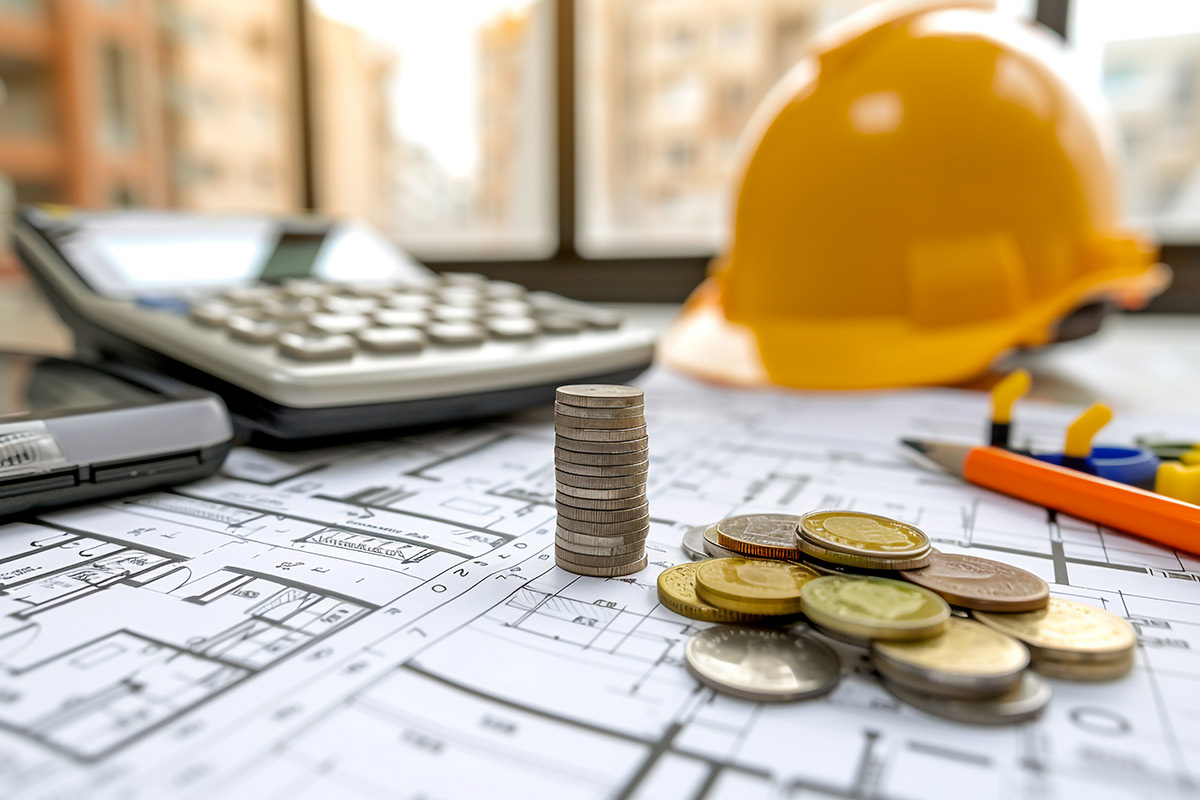
Cost overruns remain one of the most common and damaging construction project risks. Even small pricing fluctuations can significantly affect overall project viability when multiplied across labor, equipment, and materials.
Several factors contribute to budget increases:
- Inaccurate cost forecasting
- Scope changes during construction
- Rising material prices
- Poor procurement planning
- Unforeseen site complications
- Delays that extend labor costs
Projects without detailed financial tracking often struggle to maintain profitability once costs begin escalating. Early-stage project risk planning should include realistic contingency allowances and ongoing cost monitoring to prevent financial exposure from growing throughout the project lifecycle.
Before construction begins, project teams should establish clear reporting systems that track:
| Cost Control Area | Why It Matters |
| Material pricing | Helps anticipate market fluctuations |
| Labor expenses | Prevents overtime and staffing overruns |
| Change orders | Reduces unexpected budget expansion |
| Equipment utilization | Improves operational efficiency |
| Procurement timelines | Limits rush-order expenses |
Accurate forecasting combined with disciplined financial oversight creates stronger budget stability and improves overall project performance.
2. Schedule Delays and Timeline Disruptions
Construction schedules are vulnerable to disruptions from both internal and external factors. Delays not only extend completion dates but also increase operational costs and strain client relationships.
Common causes of schedule delays include:
- Severe weather conditions
- Labor shortages
- Delayed material deliveries
- Equipment failures
- Permit approval delays
- Poor coordination between trades
When schedules begin slipping, the impact spreads quickly across the entire project. Contractors may need to resequence work, extend subcontractor agreements, or accelerate timelines to recover lost progress.
Strong construction risk management relies on detailed scheduling frameworks that account for realistic production rates and potential disruptions. Flexible scheduling also allows teams to adapt more effectively when conditions change unexpectedly.
A proactive scheduling strategy should include:
- Regular milestone reviews
- Real-time progress tracking
- Contingency scheduling buffers
- Coordination meetings between stakeholders
- Updated procurement timelines
These practices improve visibility across the project and reduce the likelihood of cascading delays.
3. Safety Hazards and Onsite Incidents

Construction environments inherently involve safety risks. Heavy machinery, elevated work areas, electrical systems, and active jobsite traffic all contribute to hazardous working conditions.
Some of the most common onsite dangers include:
- Falls from heights
- Improper equipment operation
- Electrical accidents
- Falling materials
- Scaffold failures
- Trench collapses
Safety incidents can halt operations immediately while exposing contractors and owners to liability, regulatory action, and increased insurance costs. Beyond financial consequences, workplace injuries affect workforce morale and damage company reputation.
Effective risk mitigation construction practices place safety at the center of daily operations. Consistent training, site inspections, and clear safety protocols help reduce preventable incidents and improve jobsite accountability.
The following safety measures are critical on active construction sites:
| Safety Practice | Project Benefit |
| Daily toolbox talks | Reinforces hazard awareness |
| Equipment inspections | Reduces mechanical failures |
| PPE enforcement | Minimizes injury severity |
| Fall protection systems | Protects workers at height |
| Emergency response planning | Improves incident preparedness |
Strong safety cultures are built through consistency, communication, and leadership involvement at every project level.
4. Design Errors and Coordination Gaps
Incomplete drawings and design inconsistencies create major operational challenges during construction. When plans lack coordination between systems or contain omissions, projects often experience costly rework and scheduling disruptions.
Design-related issues may include:
- Structural conflicts
- Inaccurate measurements
- Missing specifications
- Mechanical coordination failures
- Incomplete engineering documentation
These issues frequently lead to change orders, delays, and disputes between project stakeholders. The earlier design conflicts are identified, the lower the financial impact on the project.
Technology now plays a larger role in construction risk management by improving design coordination and reducing communication gaps. Digital modeling tools and collaborative planning systems allow teams to identify conflicts before construction begins.
Early design review processes should involve:
- Architects
- Engineers
- Construction managers
- Key subcontractors
- Facility stakeholders
Collaborative planning improves constructability while reducing costly field modifications later in the project.
5. Regulatory Compliance and Environmental Risks
Construction projects must comply with a wide range of regulations covering safety standards, environmental protection, zoning requirements, and building codes.
Regulatory risks often emerge from:
- Permit delays
- Environmental violations
- Incomplete inspections
- Code compliance failures
- Changes in local regulations
Failure to maintain compliance can lead to fines, work stoppages, litigation, and reputational damage. Environmental concerns may also require remediation efforts that significantly affect schedules and budgets.
Strong project risk planning includes regular compliance reviews and clear documentation procedures to ensure all project requirements are met throughout construction.
Teams should prioritize:
- Early permitting coordination
- Ongoing regulatory monitoring
- Environmental impact assessments
- Documentation management
- Inspection scheduling
Maintaining organized compliance processes reduces project interruptions and supports smoother approvals from regulatory agencies.
6. Supply Chain Disruptions and Material Shortages
Material procurement has become increasingly unpredictable across the construction industry. Delayed shipments, manufacturing shortages, and transportation bottlenecks continue to create pressure on project schedules and budgets.
Supply chain disruptions may affect:
- Structural steel
- Electrical components
- Concrete materials
- Mechanical systems
- Specialty finishes
- Imported products
When essential materials fail to arrive on time, entire phases of construction may stop. Contractors are often forced to source substitute materials or expedite deliveries at significantly higher costs.
Effective construction risk management includes diversified sourcing strategies and strong supplier relationships that improve procurement reliability.
Project teams can reduce procurement exposure by:
- Ordering long-lead materials early
- Maintaining supplier communication
- Tracking inventory availability
- Establishing secondary suppliers
- Reviewing market trends regularly
These strategies improve flexibility and help maintain schedule continuity when disruptions occur.
7. Contractual Disputes and Stakeholder Conflicts
Construction projects involve multiple parties with competing priorities, making disputes difficult to avoid entirely. Miscommunication, unclear contract terms, and payment disagreements can quickly escalate into legal conflicts.
Common sources of stakeholder disputes include:
- Scope interpretation disagreements
- Delayed payments
- Incomplete documentation
- Responsibility disputes
- Schedule accountability conflicts
These issues can delay project progress while damaging long-term professional relationships.
Open communication remains one of the most effective tools for reducing construction project risks associated with stakeholder conflict. Clear reporting structures and transparent decision-making processes improve collaboration and reduce misunderstandings.
Successful project teams typically establish:
| Communication Strategy | Purpose |
| Weekly coordination meetings | Keeps teams aligned |
| Centralized documentation systems | Improves accountability |
| Defined approval processes | Reduces delays |
| Clear contract language | Limits disputes |
| Escalation procedures | Resolves issues efficiently |
Strong communication structures create better alignment between owners, consultants, contractors, and suppliers throughout the project lifecycle.
8. Unforeseen Site Conditions and Operational Risks
Unexpected site conditions can emerge without warning, even after extensive planning and investigation. These risks often require immediate decisions that affect schedules, costs, and operational sequencing.
Examples of operational and site-related risks include:
- Unstable soil conditions
- Underground utility conflicts
- Equipment breakdowns
- Flooding or drainage issues
- Hazardous material discoveries
- Archaeological findings
These conditions frequently force teams to pause work while additional evaluations and corrective actions are completed.
Comprehensive project risk planning should include contingency strategies that allow teams to respond quickly when unexpected issues arise. Flexible planning structures reduce downtime and improve overall project resilience.
Site investigations, geotechnical analysis, and utility coordination conducted early in the planning phase can significantly reduce operational uncertainty before construction begins.
Why Construction Risk Management Matters
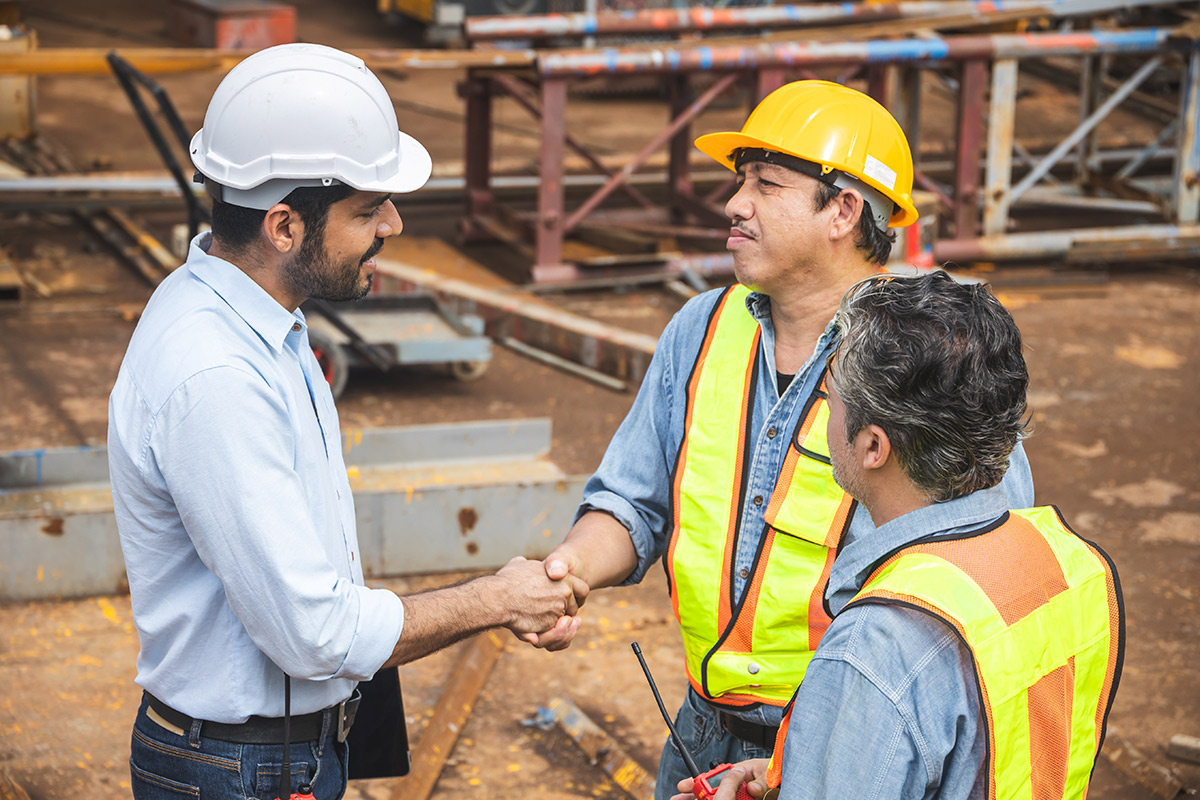
Projects rarely fail because of a single issue. More often, problems compound over time when risks are overlooked or addressed too late. Effective construction risk management creates a framework for identifying threats early, evaluating their impact, and implementing solutions before disruptions escalate.
Organizations that prioritize proactive risk management benefit from:
- Greater budget control
- More predictable schedules
- Improved safety performance
- Reduced legal exposure
- Stronger stakeholder confidence
- Better long-term profitability
Risk mitigation construction strategies also strengthen communication across project teams, allowing decisions to be made faster and with greater clarity.
At Brownstone Consultants, we provide program, project, and construction management services designed to support complex developments with precision, transparency, and accountability. Our client-focused approach combines strategic oversight, proactive planning, and real-time coordination to help projects stay on schedule, remain compliant, and move forward with confidence. Contact our team today to discuss how we can support your next project from planning through completion.