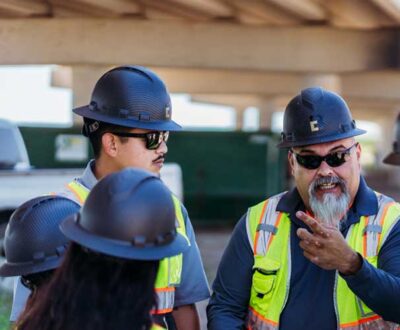
Public and private construction projects may use similar materials, trades, and delivery methods, but the way they must be managed is very different. Regulations, funding structures, accountability requirements, and stakeholder expectations all shape how a project is planned, procured, and delivered. Without specialized construction management services tailored to each environment, even well-conceived projects can encounter delays, cost overruns, or compliance failures.
This article explores the key differences between public and private work and explains why experienced, specialized management is essential for both.
1. Why Construction Projects Are Not “One-Size-Fits-All”
Every project has three core pressures: cost, time, and quality. But public and private owners operate under very different constraints:
- Different rules: Public agencies must follow procurement laws, transparency rules, and audit requirements that do not apply to most private owners.
- Different funding models: Public projects are often tied to appropriations, grants, or bonds, while private work is driven by investment returns, lenders, or developer equity.
- Different accountability: Public projects answer to taxpayers, elected officials, and the community; private projects answer primarily to owners, investors, tenants, and end‑users.
Because of this, public construction management and private construction project management require distinct approaches, tools, and expertise.
2. The Unique Demands of Public Construction Management
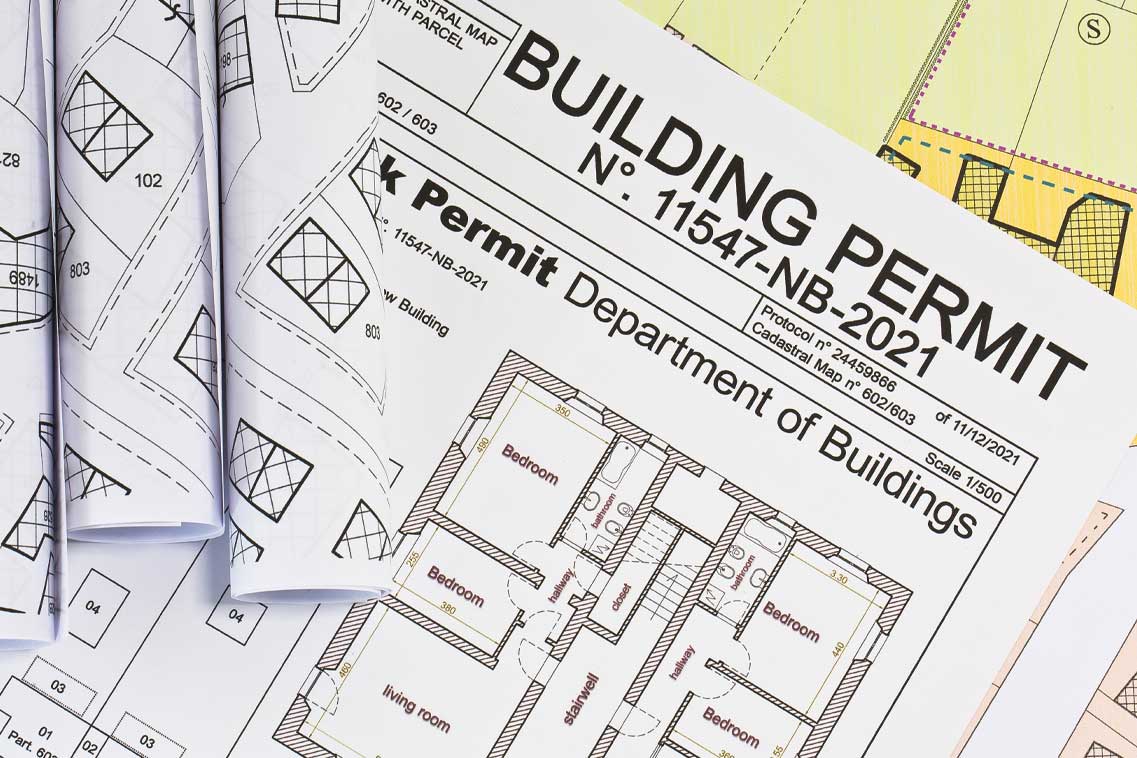
Public projects, such as civic buildings, transportation facilities, schools, and community infrastructure, operate in a highly regulated and highly visible environment. Specialized management is essential to navigate:
2.1 Regulatory Compliance and Transparency
Public owners are subject to strict statutes and regulations governing:
- Competitive bidding and contractor selection
- Open records and public meetings
- Minority, women, and disadvantaged business participation
- Environmental, zoning, and permitting requirements
A construction manager with deep public-sector experience understands how to structure solicitations, evaluate bids, and document decisions, so they stand up to audits and public scrutiny.
2.2 Funding and Procurement Complexities
Public projects frequently rely on a mix of local funds, state or federal grants, and bond proceeds, each with its own rules and deadlines. Missing a milestone can jeopardize funding.
Specialized construction management services ensure:
- Alignment of schedules with funding cycles
- Proper documentation to satisfy grant and bond requirements
- Procurement strategies that meet statutory guidelines while maintaining competitiveness and cost control.
2.3 Stakeholder and Community Coordination
Public projects must balance the expectations of agencies, elected officials, community groups, and end‑users. Effective construction project oversight in this environment requires:
- Clear communication plans
- Regular status reporting
- Proactive management of community impacts (traffic, noise, access)
Without this, even technically sound projects can face public pushback, delays, or redesigns.
3. The Distinct Nature of Private Construction Project Management

Private projects, such as commercial buildings, residential developments, and mixed‑use communities, operate with more flexibility but also more direct financial pressure.
3.1 Speed to Market and Return on Investment
For private owners and developers, schedules are often directly tied to revenue. Delays in completion can mean lost rent, missed market windows, or financing penalties.
Specialized private construction project management focuses on:
- Aggressive but realistic scheduling
- Phasing strategies to open portions early where feasible
- Tight coordination between design, construction, leasing, and operations
Robust preconstruction planning and scheduling are central to protecting returns.
3.2 Flexible Procurement and Contracting
Private owners generally have more freedom in how they select designers, contractors, and delivery methods. A seasoned construction manager can help:
- Evaluate design‑bid‑build vs. design‑build vs. CM-at‑risk and other methods
- Align contract structures with the owner’s risk tolerance
- Use qualifications‑based selection, negotiated GMPs, or early contractor involvement
The result is a procurement approach that optimizes cost, speed, and quality for the specific project rather than conforming to statutory default methods.
3.3 Brand, Tenant, and End‑User Expectations
Private developments often carry specific brand standards, tenant improvement requirements, and lifestyle or experiential goals. Managing these effectively requires:
- Early coordination with tenants and operators
- Detailed scope definition for specialty build‑outs
- Rigorous quality control during construction
Here, specialized management focuses on compliance and on delivering a product that performs financially and enhances the owner’s reputation.
4. Shared Risks: Why Specialized Oversight Matters
Despite their differences, public and private construction face many of the same core risks:
- Scope creep and design changes
- Schedule slippage and coordination failures
- Cost overruns and claims
- Contractor performance and safety issues
Without structured oversight of construction projects, these risks can compound. Effective management includes:
- Early risk identification and mitigation planning
- Detailed, realistic schedules that are actively monitored and updated
- Change control procedures and clear documentation
- Regular cost forecasting and cash‑flow management
Research and industry experience show that schedule mismanagement is a leading cause of cost escalation and disputes in both sectors. A specialized team can anticipate these issues and act before they impact the critical path.
5. What Specialized Construction Management Services Look Like
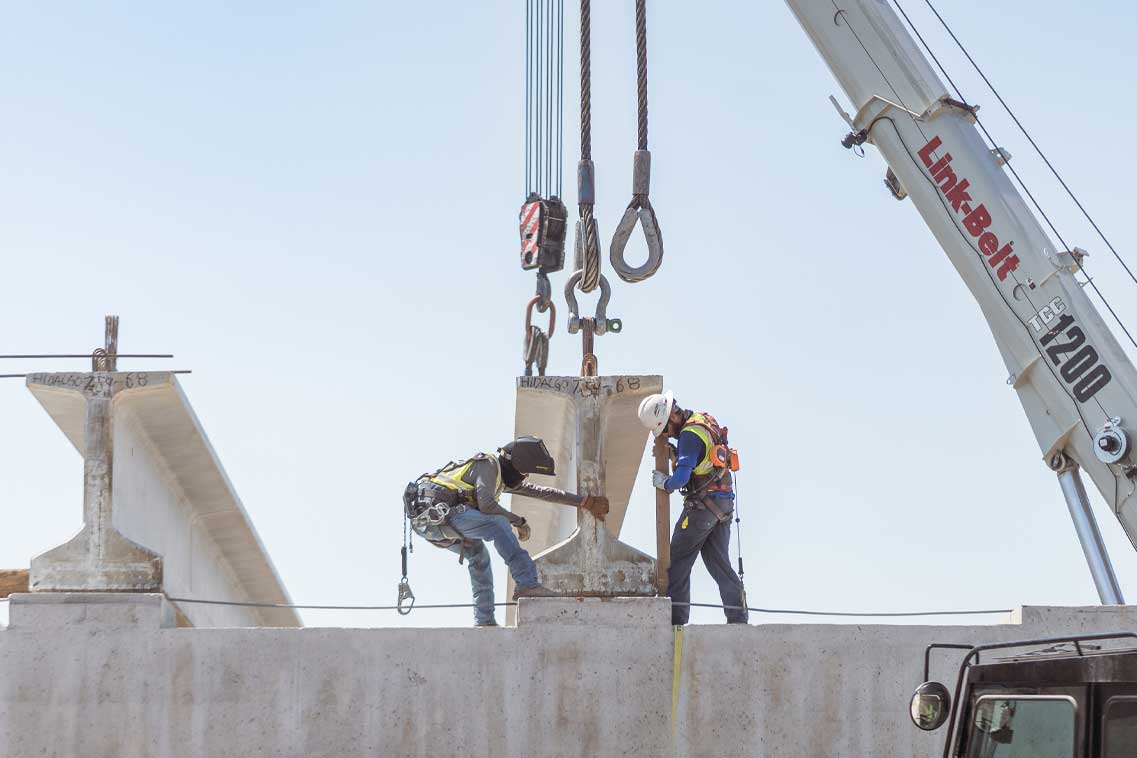
For both public and private projects, specialized construction management services bring a structured, transparent framework to complex work. This typically includes:
- Preconstruction planning: Scope definition, constructability reviews, cost modeling, and schedule development.
- Procurement strategy: Packaging work, advising on delivery methods, and managing solicitations and evaluations.
- Design coordination: Ensuring the design supports the budget, schedule, and regulatory requirements.
- Construction oversight: Field observation, progress monitoring, pay application review, and quality assurance.
- Program management: Coordinating multiple projects or phases under a unified strategy, governance structure, and reporting framework.
- Engineering support: Technical expertise to resolve design and constructability issues quickly, reducing changes and delays.
When delivered by an experienced firm, this approach promotes cost certainty, schedule reliability, and transparent reporting for owners across both public and private sectors.
6. Choosing the Right Partner
Selecting a partner with proven public and private construction project management experience is critical. Look for:
- A track record across both government and private market sectors
- Demonstrated understanding of regulations, funding rules, and procurement requirements
- Robust processes for planning, scheduling, and risk management
- Transparent reporting that keeps stakeholders informed and aligned
An integrated approach to construction management and project management helps owners minimize risk and maximize value, on everything from single facilities to large, multi‑phase programs.
Specialized management is no longer optional in today’s complex construction environment. Whether you are a government agency, a developer, or a property owner, the right construction management services can mean the difference between a project that merely gets built and one that is delivered on time, on budget, and fully compliant with all requirements.
Brownstone Consultants is committed to helping clients navigate every phase of the construction process with confidence. Contact us today to discuss your project goals and learn how our experienced team can provide the strategic oversight, risk management, and technical expertise needed to support a successful project outcome.